
PGX-Ray Protective Device Series
-
 Three-Panel Mobile X-Ray Protective Screen
This three-panel screen covers a wider shielding zone than a single flat panel — without cutting into visibility or mobility.
-
 Single-Panel Stainless Steel X-Ray Protective Screen — Procurement Notes
If you're evaluating shielding for a room that runs higher-energy X-ray procedures, the lead equivalent number is where the conversation starts. This screen uses a 2.0 mmPb internal lead sheet — four times the shielding of a standard 0.5 mmPb general radiography screen. That matters if your department handles fluoroscopy, interventional procedures, or higher-kV techniques where scatter levels are elevated. For a basic chest X-ray room it may be more shielding than you need; for a busy interventional or fluoroscopy suite it's the spec you're looking for.
-
 Auto-Tracking X-Ray Vertical Stand Shield — A Buyer’s Breakdown
If you're outfitting a radiology room with standing X-ray equipment, the protective shielding around the bucky stand is where a lot of buyers cut corners — and then pay for it later in setup time and staff complaints. Here's how this auto-tracking unit is built to avoid that.
-
 Medical X-Ray Protective Screen — What You’re Actually Buying
If you source radiation shielding for a hospital, imaging center, or dental clinic, here's what matters with this unit — broken down the way a procurement person actually evaluates equipment.
-
 PG01-3 X-Ray Protective Screen with Side Curtain
Designed for interventional radiology and cath labs where scatter comes at you from more than one direction, this screen pairs a main leaded panel with a fold-out side curtain to wrap more protection around the operator.
-
 Here’s Our Folding X-Ray Protective Screen — A Practical Solution For Medical Radiation Protection.
This screen is built with a lead rubber curtain mounted on a sturdy support frame, and it rolls on four caster wheels. Fully extended, it measures 1800 by 1500 millimeters, with a folded width of 480 millimeters. The lead equivalent is at least 0.50 millimeters of lead, rated for X-ray tube voltages up to 125 kilovolts.
-
 Mobile X-Ray Protective Screen — Single Panel
Designed for diagnostic X-ray rooms and environments where ionizing radiation may be present, our mobile protective screen provides flexible shielding without permanent installation.
-
 Pc13-5 Protective Glasses (Tilting Wearable Myopia Glasses) E Type
-
 X Ray Protection Lead Jacket
Shoulder pad of Memory cotton located the inside of the shoulder to help reduced pressure.
Specification(mm):1000x600 900x600 850x550 or as customers’ requirement
Lead equivalent: 0.25MMPb,0.35MMPb, 0.5MMPb
Brand: DOUBLE EAGLE ( custom-made & OEM are avaliable)
-
 Mobile X-Ray Shield with Articulating Arm
This mobile shield puts a clear lead-acrylic panel on a rolling stand, so you can park it right where the scatter is and roll it clear when you don't need it.
-
 Pc13-9 Safety Glasses (600 Bends) U-Shaped
-
 PC13- Protective glasses (with side protection) Type A
-
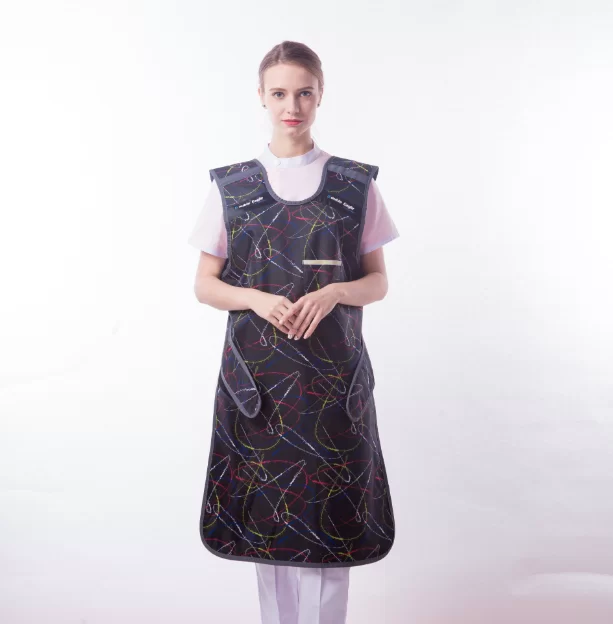 PC07 Reverse-Wearable Single-Layer X-Ray Protection
Shandong Double Eagle (developed China’s first lead apron in 1978) PC07 reverse-wearing single-layer protective skirt, with self-developed ultra-thin soft lead rubber, complies with international standards and export certifications, comparable to Germany’s MAVIG and America’s Bar-Ray, lightweight, durable, customizable, factory-direct supply, fast delivery, with standard packaging and warranty.
-
 Lead-Free X-Ray Curtain
Lightweight Lead-Free Protective Curtains for Dental, Veterinary, Clinic and Small Medical X-Ray Rooms
· Dental chains and independent dental clinics (intraoral / panoramic X-ray rooms)
· Veterinary clinics and animal hospitals
· Hospital radiology and orthopedic departments, surgery and emergency rooms
· Clinic owners, hospital procurement officers and radiology directors
· Medical-device importers and distributors supplying dental/veterinary channels
· NDT companies and cabinet-equipment makers needing light, non-toxic shielding
-
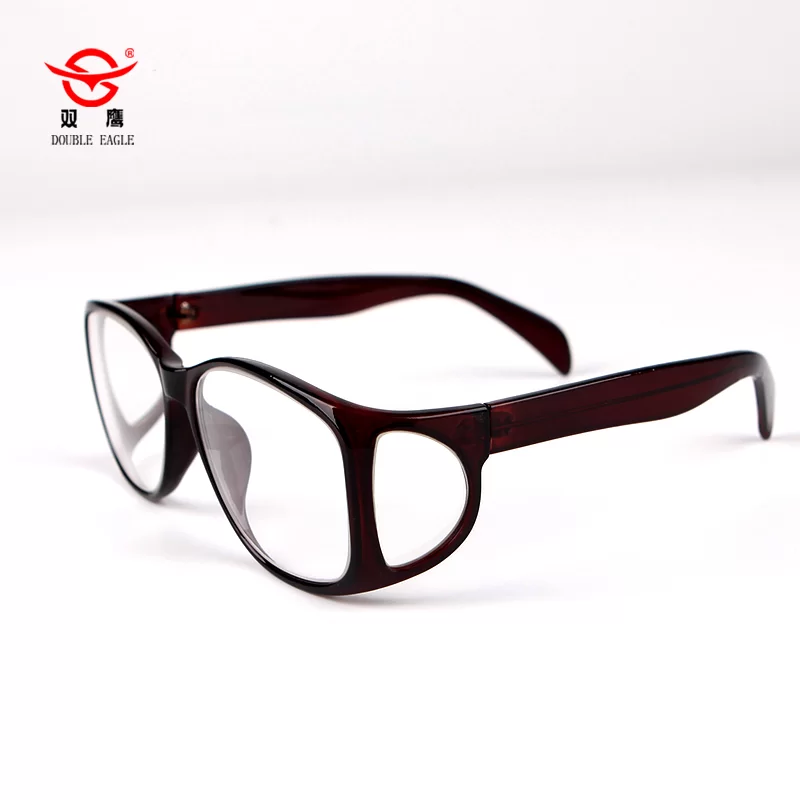 PC13 – Protective Goggles (With Side Protection) Type A
Double Eagle Medical · "Panoramic Shield" Lead Glasses - 180° Protection and Fashionality Combined
-
 July 03, 2026Wholesale X-Ray Protection Apron Manufacturer: DOUBLE EAGLE Highlights Multi-Standard Protection at CMEF Hall 2.1
The bustling aisles of Hall 2.1 at the China International Medical Equipment Fair (CMEF) in Shanghai buzz with a distinct energy as clinical professionals, international procurement agents, and medical technology experts converge.
-
 July 01, 2026FAQs: What to Look for in a Reliable X-Ray Protection Apron Supplier? Visit DOUBLE EAGLE at CMEF Shanghai
When healthcare facilities and procurement departments upgrade their radiation safety protocols, one critical question consistently arises:
-
 June 29, 2026Analysis: How DOUBLE EAGLE Became a Global Leading X-Ray Protection Apron Exporter
In the rapidly evolving landscape of global medical manufacturing, occupational safety remains a paramount concern, particularly regarding radiation shielding for healthcare professionals.
-
 June 26, 2026Advanced Lead Thyroid Shield Company: How DOUBLE EAGLE Integrates ISO Standards for Global Shielding Trends
How does an industry leader maintain the delicate equilibrium between heavy-duty radiation attenuation and ergonomic comfort? The answer lies in systematic quality frameworks.
-
 June 24, 2026DOUBLE EAGLE: Setting the Quality Standards for China Best Lead Thyroid Shield Manufacturer Since 1978
The evolution of X-ray protection in China is deeply intertwined with a legacy of domestic innovation that began over four decades ago. Since 1978, when the first Chinese protective lead apron was developed, the domestic industry has transitioned from a reliance on imported technology to establishing independent manufacturing capabilities.
-
 June 22, 2026Complete Buyer Guide to Professional Lead Glasses Manufacturer: DOUBLE EAGLE Showcases at WHX Dubai 2026
"The clarity and lightweight feel of these lead glasses are remarkable; our interventional radiology team felt an immediate difference in comfort during extended procedures," noted a senior procurement director from a leading Middle East hospital network at the recently concluded WHX Dubai 2026.
-
 June 17, 2026Certified vs Uncertified: Why DOUBLE EAGLE High Quality Lead Glasses Meet CE Standards
In the high-stakes environment of medical imaging and radiation therapy, the line between adequate protection and hazardous exposure often comes down to the quality of personal protective equipment.
-
 June 12, 2026China Top Lead Rubber Sheet Service in the World: Evaluating Radiation Shielding Integrity for Modern Hospitals
In the rapidly evolving landscape of modern medical diagnostics, the deployment of high-precision imaging technologies has become indispensable.

Sign up
for Newsletter
Contact Us For Your Radiation Protection Solutions


